Ray
Price
Noble Ray Price was one of country music’s foremost innovators. When he was inducted into the Country Music Hall of Fame in 1996, many noted that the honor was long overdue, but such feelings weren’t based on career longevity or number of hits—in those regards he was no different from other deserving artists awaiting induction.

-
Inducted1996
-
Born
January 12, 1926
-
Died
December 16, 2013
-
Birthplace
Perryville, Texas
Noble Ray Price was one of country music’s foremost innovators. When he was inducted into the Country Music Hall of Fame in 1996, many noted that the honor was long overdue, but such feelings weren’t based on career longevity or number of hits—in those regards he was no different from other deserving artists awaiting induction.
Through developing a ground-breaking brand of honky-tonk, Price moved 1950s country music forward. Don Helms, of Hank Williams’s Drifting Cowboys said, “Ray Price created an era.”
The Big D
Price was born in East Texas and moved to Dallas with his mother after his parents divorced when he was four years old. He spent his childhood going between his mother’s house and his father’s farm. He joined the U. S. Marines during World War II—after his service, he enrolled at North Texas Agricultural College with plans to become a veterinarian. While there, he started singing at Roy’s House Café, which led him to Jim Beck’s Dallas recording studio. Beck connected Price with Bullet Records, with whom he released “Jealous Lies” in 1950.
The Bullet single wasn’t successful, but Price began singing on Dallas radio programs, including the Big D Jamboree. Troy Martin of Peer-Southern music took notice, and on his recommendation, Columbia Records signed Price in March 1951. His first Columbia release was “If You’re Ever Lonely Darling,” written by Lefty Frizzell.
Songs
00:00 / 00:00
00:00 / 00:00
00:00 / 00:00
Hank Williams and the Grand Ole Opry
Price had little success on Columbia until an introduction to Hank Williams in 1951 changed his luck. Williams took Price on the road, and the two co-wrote “Weary Blues (From Waiting),” which Price recorded and released. It wasn’t a major hit, but did reasonably well, and in January 1952 he moved to Nashville to join the Grand Ole Opry. He shared a house with Williams and used the Drifting Cowboys as his backup band. Recordings from this period reveal Price self-consciously adopting Williams’s style. His uncertainty would lessen as he allowed his natural voice to shine on such hits as the 1954 double-sided “I’ll Be There (If You Ever Want Me)” b/w “Release Me.”
The Ray Price Beat
The pivotal record of Price’s career was “Crazy Arms,” recorded March 1, 1956. Tommy Jackson’s searing fiddle intro and Buddy Killen’s driving 4/4 bass line introduced a new intensity to what was still a classic honky-tonk sound. The record spent twenty weeks at #1 and established Price as a star. He continued to develop his sound, emphasizing the shuffle rhythm that was established on “Crazy Arms.” Many artists adopted the 4/4 shuffle, calling it the “Ray Price Beat.”
Visionary Bandleader
Price also mentored musicians and songwriters. Willie Nelson, Roger Miller, and Johnny Paycheck were members of his band, the Cherokee Cowboys. Nelson, Harlan Howard, and Hank Cochran wrote for Pamper Music, a publishing company Price partly owned. His 1959 rendition of “Heartaches by the Number” helped establish Howard in Nashville, and his 1958 smash “City Lights” did the same for its writer, Bill Anderson.
Despite Price’s beginnings as a hard country artist, he moved toward pop-oriented production during the 1960s. His 1967 hit “Danny Boy,” featured a full orchestra, which alienated some honky-tonk fans but brought in swaths of new admirers. Three years later, there was a unanimous favorable response to Price’s “For the Good Times.” The Kris Kristofferson-penned classic became a #1 country hit in 1970 and reached #11 on the pop chart. Price won the Academy of Country Music’s awards for Single and Album of the Year that year, and I Won’t Mention It Again was the Country Music Association’s Album of the Year in 1971.
Back home to Texas
Price had already moved home to Texas when his lengthy association with Columbia ended in 1974. Recordings for Myrrh, ABC/Dot, Monument, and other labels were often musically unsatisfying, though a 1980 duet album with Willie Nelson showed Price in fine form. Price recorded for Step One Records through the 1980s, and in 1992 he returned to Columbia for one album. Price issued albums on Justice (Prisoner of Love, 2000) and Audium (Time, 2002), but another duet album with Willie Nelson, Run That by Me One More Time (2003), was his first to register on Billboard‘s country album chart in fifteen years. “Lost Highway,” a Nelson-Price duet from the 2007 Lost Highway release Last of the Breed, won a Grammy for Best Country Collaboration with Vocals.
In November 2012, Price announced he had been diagnosed with pancreatic cancer. He died on December 16, 2013 from complications of the disease.
– Daniel Cooper
– Adapted from the Country Music Hall of Fame® and Museum’s Encyclopedia of Country Music, published by Oxford University Press.
Through developing a ground-breaking brand of honky-tonk, Price moved 1950s country music forward.
Photos
-

Hank Williams and Ray Price. General Collection/Thurston Moore Collection.
-

Jack Stapp and Ray Price, mid to late 1950s. Photo by Elmer Williams.
-

Johnny Cash and Ray Price, mid to late 1950s. Photo by Elmer Williams.
-

Ray Price. Hubert Long Collection.
-

Ray Price. Hubert Long Collection.
-

Ray Price, Don Law, and Cam Mullins, 1969. Photo by Bill Goodman, Nashville Banner.
-

(L-R): Mort Thomasson, Van Howard, Ray Price, Don Law, Jack "Curly" Evins (in foreground), 1956. Photo by Elmer Williams.
-

Willie Nelson and Ray Price, 1980. Walden S. Fabry Studios
-

Ray Price, Charlie Lamb, and Marty Robbins, 1957. Photo by Elmer Williams.
-

Ray Price performing at the Grand Ole Opry, 1956. Photo by Elmer Williams.
Related Hall of Fame Members
-
View Don Law's profile.
![]() DonLawView Profile
DonLawView Profile -
View Willie Nelson's profile.
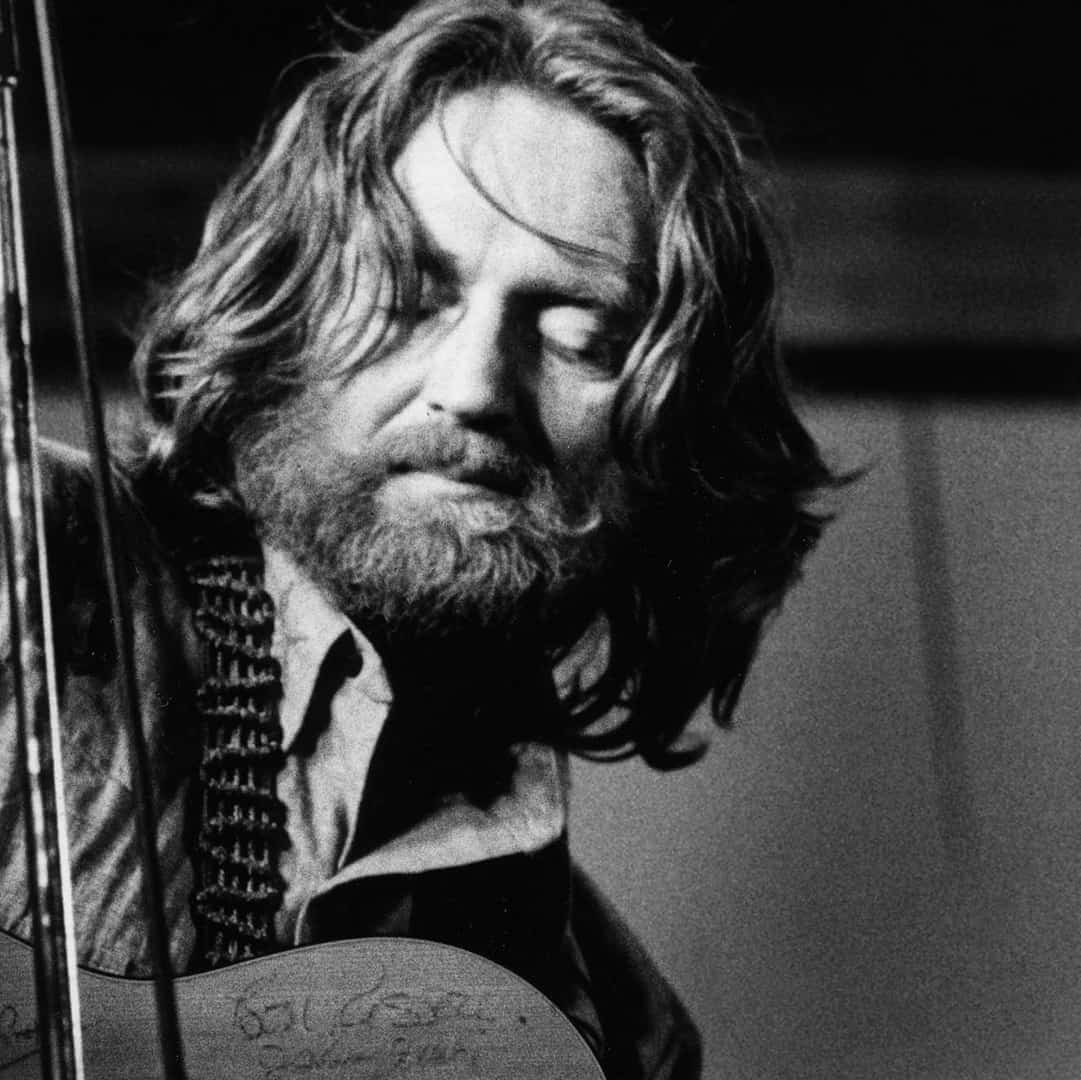
![Willie Nelson playing the classical guitar.]() WillieNelsonView Profile
WillieNelsonView Profile -
View Hank Williams's profile.
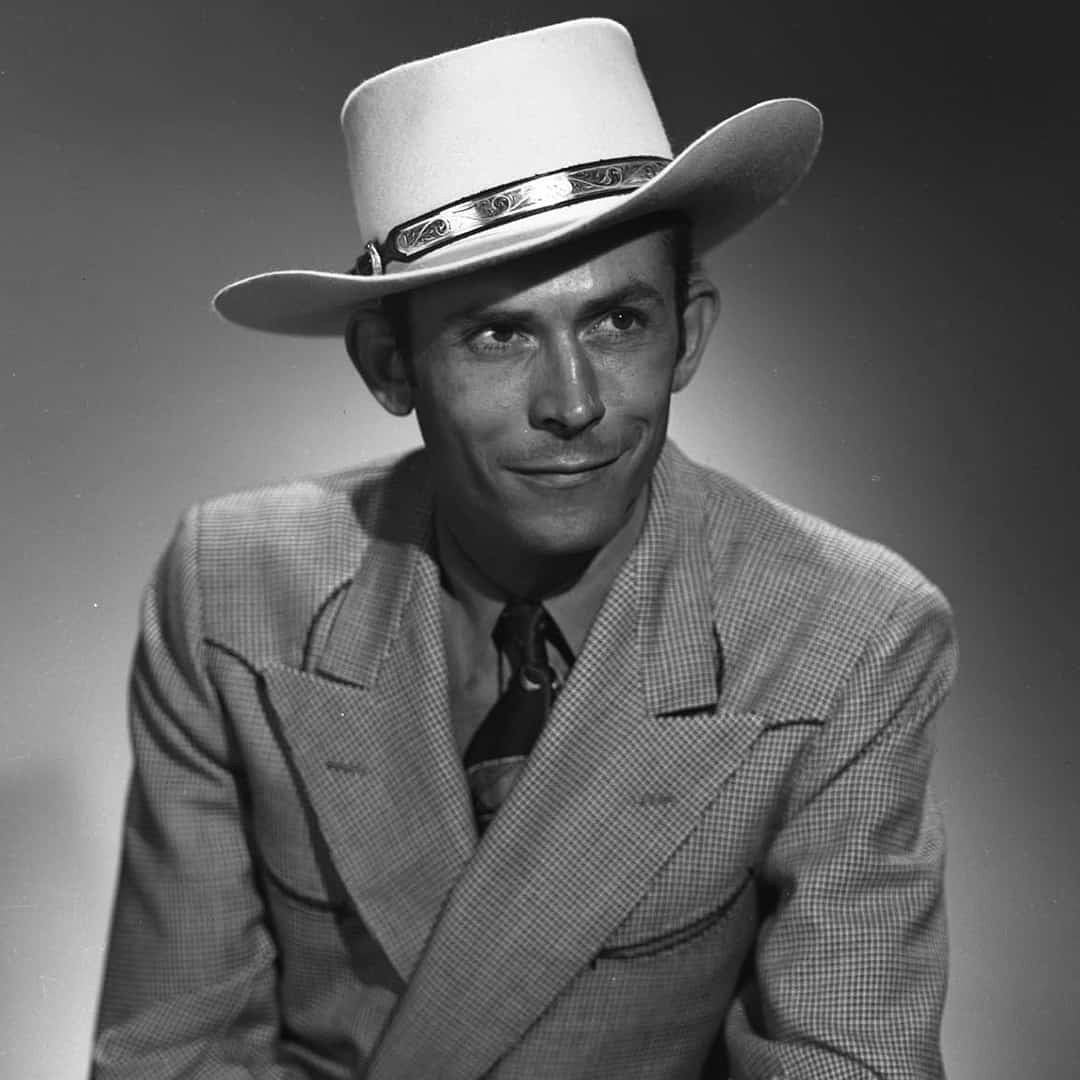
![Hank Williams]() HankWilliamsView Profile
HankWilliamsView Profile